
01
Open circuit
Circulating water is distributed over fill and meets the air directly. The catalog includes square crossflow, square counterflow and round counterflow arrangements.
View productsAbout us
Cooling-tower products, technical information and a clear route to discuss your project.
About the company
Zhejiang Guoxiang Cooling Technology Co., Ltd. presents open-circuit, closed-circuit and heat-source cooling towers on this website. Buyers can compare the product ranges, view real equipment photographs and review representative model data before discussing their operating conditions and project requirements through the inquiry form.
This site brings together open-circuit, closed-circuit and heat-source cooling towers. The product pages show equipment photographs, structural features and representative model information where the source conditions are known.
Start with the water circuit and intended duty, then share flow, temperatures, fluid and installation details through the inquiry form. Drawings and project requirements help frame a more specific equipment conversation.
Product range
A quick view of the ranges before going into individual models and specifications.
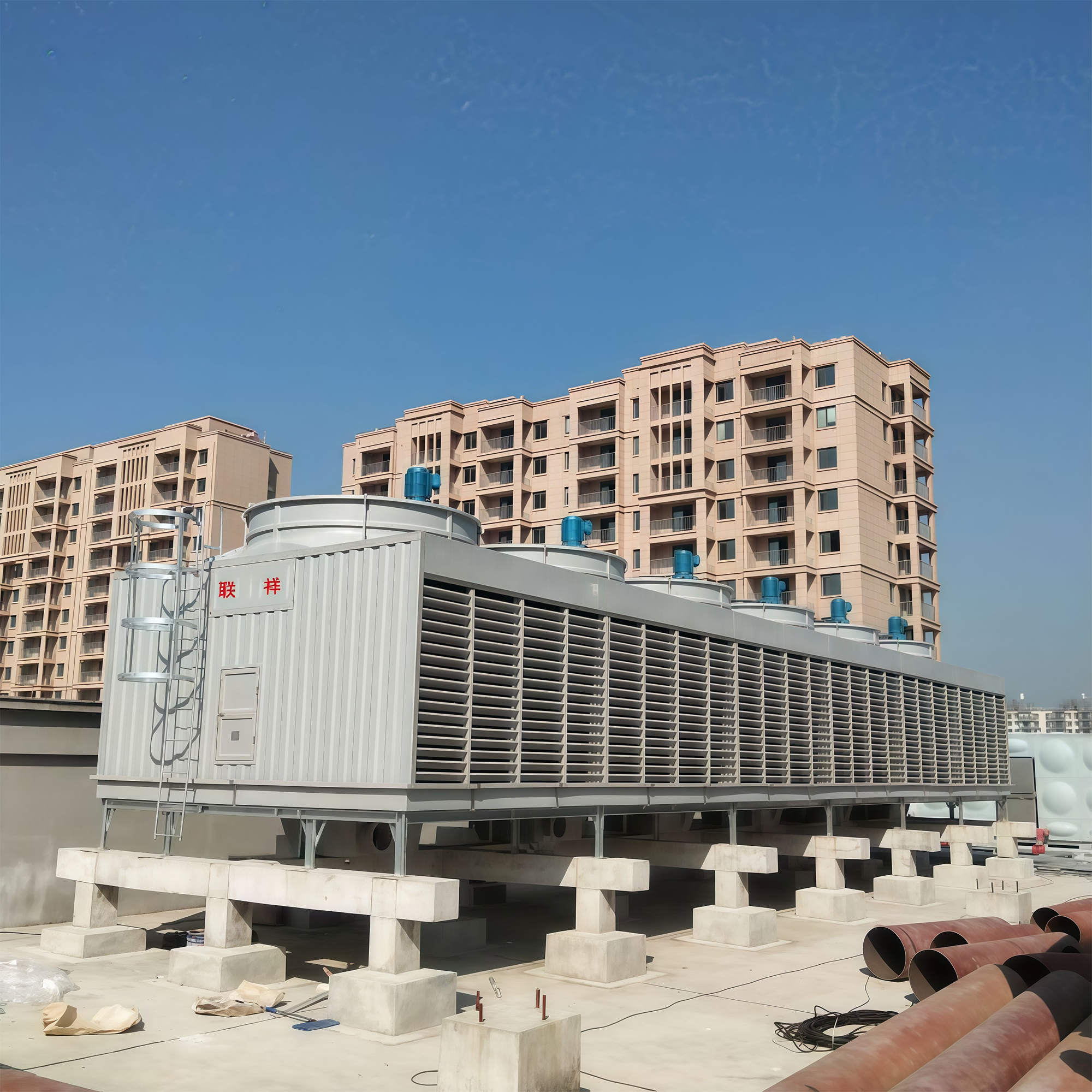
Circulating water is cooled by direct contact with air.
Explore the range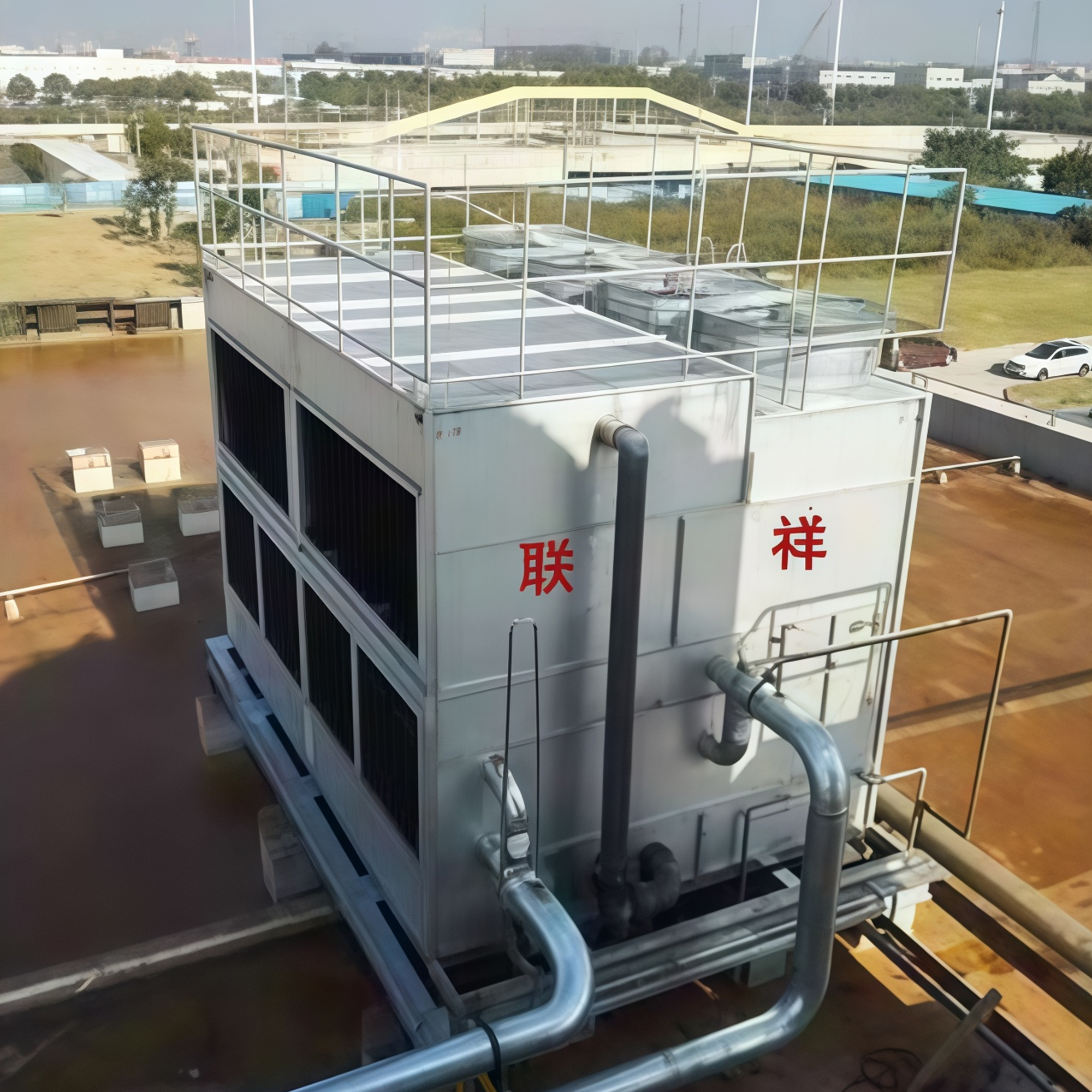
Process fluid stays inside a coil while a separate spray-water circuit is cooled by air.
Explore the range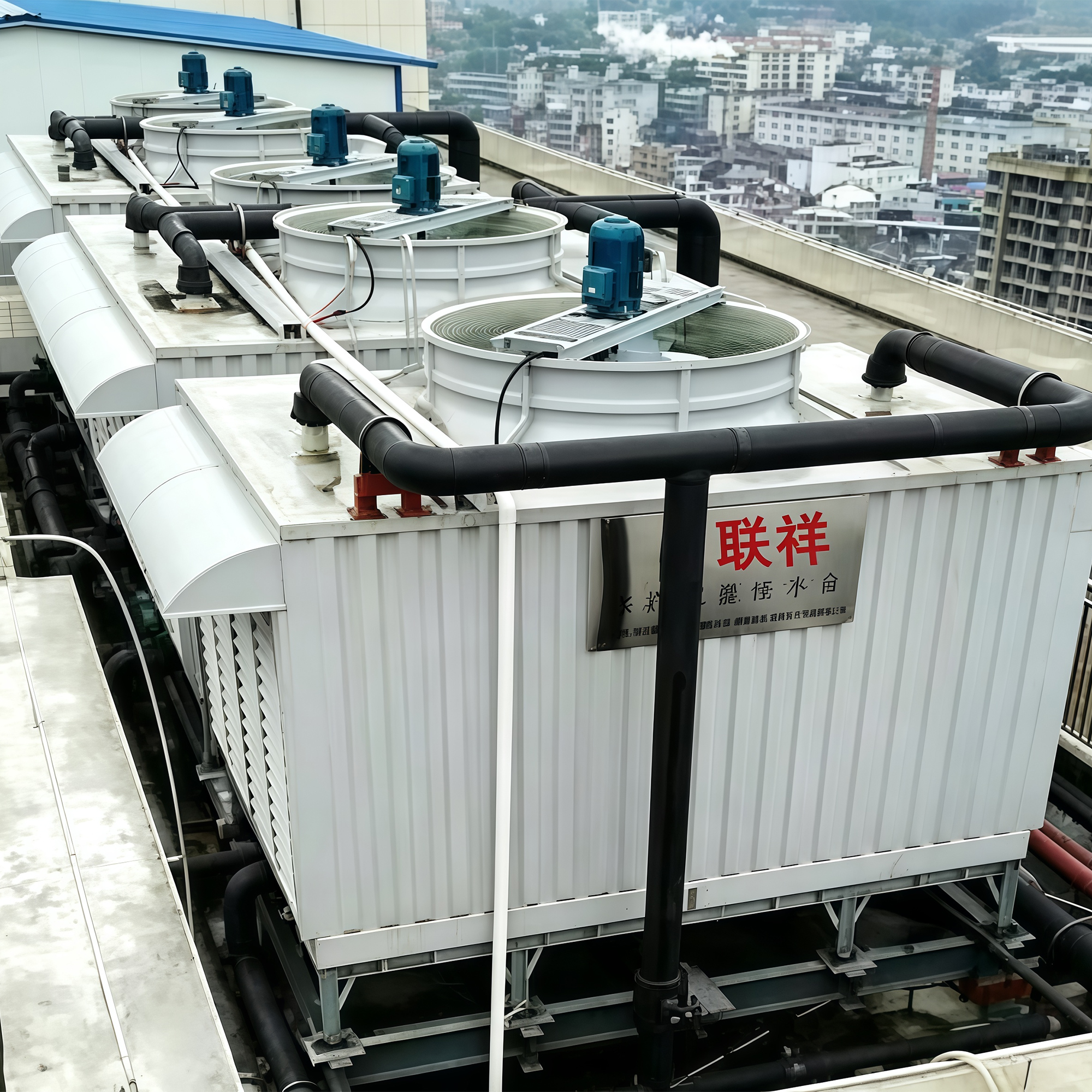
Cooling in summer and heat-source operation in winter.
Explore the rangeHow the systems differ
Circulating water is distributed over fill and meets the air directly. The catalog includes square crossflow, square counterflow and round counterflow arrangements.
View productsProcess fluid remains inside a coil while a separate spray-water circuit and moving air remove heat. Counterflow, crossflow and combined-flow layouts can be compared.
View productsThe heat-source tower range is intended for systems needing summer cooling and winter heat-source operation. Confirm the seasonal duty before selecting a configuration.
View productsBefore selection
Catalog model values are reference points. Final equipment selection depends on the actual design conditions and the site.
Provide flow, inlet and outlet temperatures, and the design wet-bulb condition.
Identify whether the process can use an open water loop or needs fluid isolated inside a coil.
Share the installation position, ventilation clearance and any discharge constraints.
Review footprint, height, access space and whether single or modular units suit the site.
Send drawings and list inspection and documentation items to discuss for the order.
Continue exploring
Review individual tower pages for structures and representative model data, then share operating conditions and drawings for discussion.